First Things First: Stop the Water!
Alright, let's talk about water damage. Nobody wants it, but hey, it happens. The absolute first, most critical thing you gotta do is stop the water's source. Doesn't matter if it's a burst pipe, a leaky roof, or a washing machine hose that went rogue – find that shut-off valve or get a tarp on the roof ASAP. If you don't stop the flow, everything else you do is just bailing water out of a sinking boat. Seriously, that's step one, no exceptions.
Once the water's stopped, take a deep breath. Now we can figure out what you're up against and what to do next. This isn't always a job for a professional, but sometimes it absolutely is. Knowing the difference can save you a lot of headache, and money, down the line.
What You Can (Probably) Handle Yourself
For small, clean water spills – think an overflowing sink or a small appliance leak you catch right away – you can probably manage the cleanup. We're talking about situations where the water hasn't been sitting for long and hasn't soaked into structural elements.
- Small Spills, Fast Action: If it's just a few gallons of clean water on a hard surface like tile or linoleum, you can mop it up, use towels, and then get some fans going.
- Drying Out: Fans, dehumidifiers, opening windows (if the outside humidity is lower than inside) – these are your friends. You need to dry things out *fast* to prevent mold growth. Mold can start setting in within 24-48 hours, especially with our Montgomery humidity.
- Removing Affected Items: Get wet rugs, furniture, and anything porous out of the area. If they're salvageable, get them drying in a well-ventilated spot. Otherwise, they might need to go.
- Cleaning Surfaces: After drying, clean all affected hard surfaces with a good disinfectant. A bleach solution (1 cup bleach to a gallon of water) works for non-porous surfaces, by the way.
The key here is speed and thoroughness. If you can get it dry and disinfected within a day or two, you've got a good shot at preventing bigger problems.
When It's Time to Call a Pro (Don't Be a Hero)
This is where a lot of folks try to save a buck and end up costing themselves a whole lot more. There are clear signs when you need to step back and call in a company like Neighborly Restoration. We've seen it all, from minor leaks to houses practically floating away.
- Category 2 or 3 Water: This is a big one. Category 1 is clean water. Category 2 (gray water) is contaminated, like water from a washing machine or dishwasher overflow. Category 3 (black water) is highly contaminated, like sewage backup or floodwaters from outside. You do NOT want to mess with Category 2 or 3 water yourself. It contains bacteria, viruses, and other nasty stuff that can make you sick. Leave this to the pros with the right protective gear and equipment.
- Large Areas or Deep Saturation: If the water has spread across multiple rooms, soaked into carpets, drywall, insulation, or subflooring, you're beyond a DIY job. You need industrial-strength extractors, dehumidifiers, and air movers to properly dry out a large area. Your home fans just won't cut it.
- Structural Damage: If floorboards are warped, drywall is crumbling, or ceilings are sagging, you've got structural damage. This requires specialized knowledge to assess and repair safely. You don't want to compromise the integrity of your home.
- Mold Growth: If you see or smell mold, especially if it's a large patch, you need professional mold remediation. Trying to clean large mold infestations yourself can release spores into the air, making the problem worse and potentially harming your health.
- Hidden Leaks: Sometimes you have water damage but can't find the source. This often means a leak behind a wall or under a floor. Professionals have tools like thermal imaging cameras to find these hidden issues without tearing your house apart.
- Insurance Claims: If you plan to file an insurance claim, a professional restoration company can help document the damage properly, which is crucial for a smooth claims process. We work with insurance companies all the time.
Think about the soil here in Montgomery, especially around areas like Cloverdale or Old Cloverdale. It's often dense clay. When you have a foundation leak or significant water intrusion, that clay can hold moisture against your foundation for a long time, leading to bigger issues if not dried out correctly. That's a prime example of when you need more than just a few towels.
The Repair Process: What to Expect
Once the water's out and everything's dry, the real repair work begins. This is where you replace what was damaged. If you called in a pro, they'll handle this part too, often with a detailed plan.
- Demolition & Removal: This might involve tearing out wet drywall, insulation, flooring, or even cabinets. It sounds drastic, but it's essential to remove anything that's beyond repair or could harbor mold.
- Cleaning & Sanitizing: All affected areas will be thoroughly cleaned and sanitized to ensure no contaminants or mold spores are left behind.
- Structural Drying: Even after removing wet materials, the structure itself (framing, subfloor) needs to be completely dry. This is where those commercial dehumidifiers and air movers really do their job, pulling moisture out of everything.
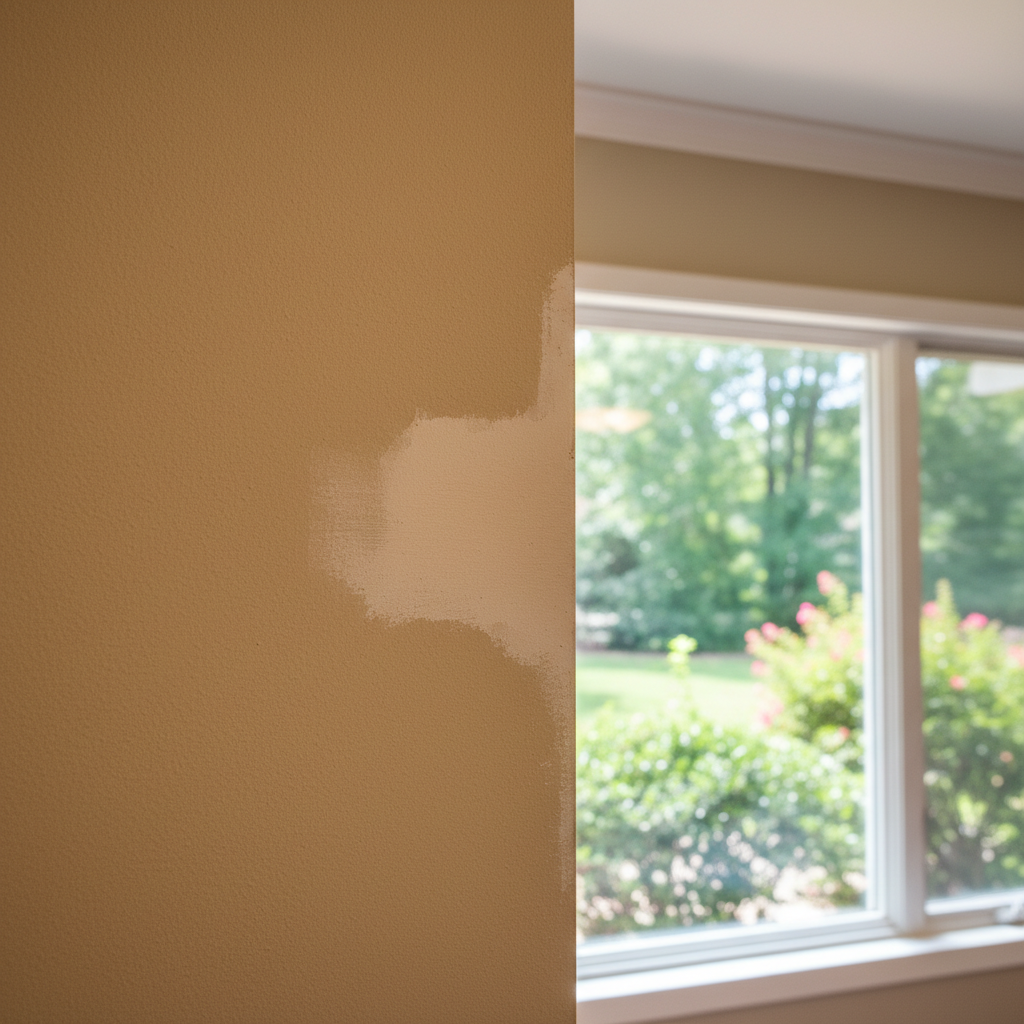
- Reconstruction: This is the rebuilding phase. New drywall, flooring, paint, trim, cabinets – whatever was removed will be replaced. This is where your home starts looking normal again.
For DIY repairs, stick to replacing simple things like baseboards or patching small sections of drywall. Anything that requires structural knowledge, electrical work, or plumbing should be left to licensed contractors.
After the Repair: Prevention is Key
You've been through it once, you don't want to go through it again. Once the repairs are done, take some time to think about prevention.
- Check your plumbing regularly – look for drips under sinks, around water heaters, and washing machine hoses.
- Clean your gutters and downspouts, especially before our heavy summer rains. Make sure they direct water away from your foundation.
- Inspect your roof for damaged shingles or flashing.
- Consider a water leak detection system, especially for areas like your water heater or under sinks.
Dealing with water damage is never fun, but knowing what you're up against and when to call in the cavalry can make a huge difference. Don't hesitate to reach out to Neighborly Restoration if you're ever in doubt. We're here to help Montgomery homeowners get back on their feet.