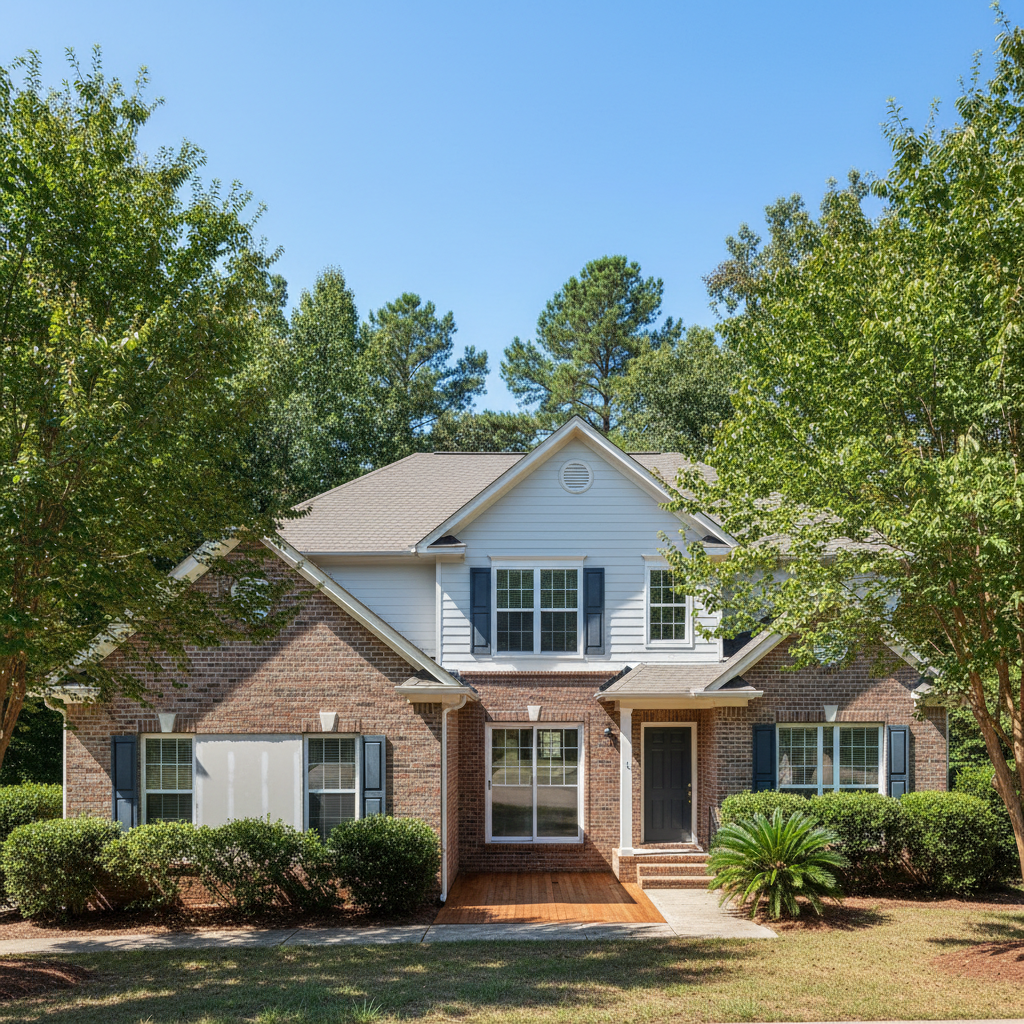
Your home's just taken on water, and you're probably feeling overwhelmed. The last thing you need is to hire the wrong crew and end up with more problems. I've seen it happen too many times around here, from Old Cloverdale to Pike Road. So, let's talk about how to pick a water damage restoration contractor that'll actually get the job done right.
What to Ask Before They Even Touch Anything
You've got a lot on your mind, but take a breath and ask these questions. It's your house, and you've got every right to know who's coming in and what they'll do.
- Are you IICRC certified? This isn't just some fancy acronym. The Institute of Inspection, Cleaning and Restoration Certification sets the industry standards. If they're not certified, they might not know the proper drying techniques, which can lead to mold down the road.
- How long have you been doing water damage restoration specifically? General contractors do a lot of things, but water damage is a specialty. You want someone who eats, sleeps, and breathes this kind of work, not just a handyman who decided to buy a few fans.
- What's your estimated response time? Water damage doesn't wait. Every hour counts in preventing further damage and mold growth. A good company should be able to get to you quickly, often within a few hours.
- Do you handle the entire process, including drying, demolition, and reconstruction? Some companies only do the initial dry-out. You don't want to hire three different companies for one problem. Make sure they can see it through from start to finish, or at least coordinate with trusted partners.
- How do you handle insurance claims? They should be experienced in working with insurance companies, helping you document the damage and submit claims. They shouldn't be telling you what your deductible is, but they should be able to explain the process and provide detailed estimates for your adjuster.
- What kind of equipment do you use? You want to hear about industrial-grade dehumidifiers, air movers, moisture meters, and thermal imaging cameras. These aren't cheap tools, and they're essential for proper drying.
Decoding the Quote: What to Look For
Once they've assessed the damage, they'll give you a quote. Don't just look at the bottom line. Dig into the details.
- Line-item breakdown: A good quote will itemize everything. You should see charges for equipment rental (dehumidifiers, air movers), labor, demolition, material removal, anti-microbial treatments, and any reconstruction. If it's just a lump sum, that's a red flag.
- Clear scope of work: The quote should clearly state what services are included. Is it just drying? Does it include removing wet drywall or flooring? What about mold prevention?
- Timeline: They should give you an estimated timeframe for the drying process and any repairs. This helps you plan and hold them accountable.
- Xactimate or similar software: Many reputable companies use industry-standard estimating software like Xactimate. This helps ensure fair and consistent pricing that insurance companies recognize.
Red Flags You Can't Ignore
Your gut feeling is important, but there are also concrete signs of a bad operator.
- Pushy sales tactics: If they pressure you to sign immediately or tell you your insurance company requires you to use them, walk away.
- Demanding cash upfront: A reputable company won't ask for a huge cash deposit before any work starts. They'll typically work with your insurance or have reasonable payment terms.
- No physical address or local phone number: Be wary of companies that only have a cell phone number and no local presence. You want someone you can find if there's a problem later.
- Unbelievably low bids: If one quote is significantly lower than all the others, there's usually a reason. They might be cutting corners, using cheap materials, or not fully licensed and insured.
- Lack of proper identification or branded vehicles: Professional companies will have uniforms, company vehicles, and clear identification.
- Asking you to sign an Assignment of Benefits (AOB) without fully explaining it: An AOB gives the contractor the right to deal directly with your insurance company and collect payment. It can be convenient, but make sure you understand the implications before you sign anything.
Verifying Legitimacy: Do Your Homework
Before you commit, take a few minutes to check them out. It's worth the extra effort.
- Check their license and insurance: In Alabama, contractors need to be licensed, especially for larger jobs. Ask for proof of liability insurance and workers' compensation. You can often verify licenses through the Alabama Home Builders Licensure Board or the Secretary of State's website. If they're working on your property, they need to be insured.
- Read online reviews: Check Google, Yelp, and the Better Business Bureau. Look for consistent patterns, good or bad. Don't just focus on the five-star reviews; see how they respond to negative feedback.
- Ask for references: A good contractor won't hesitate to provide contact information for previous clients. Call those references and ask about their experience.
- Verify their IICRC certification: You can usually look up certified firms on the IICRC website.
Look, dealing with water damage is stressful enough without adding contractor headaches. By asking the right questions and doing a little digging, you can find a reliable company that'll get your home back to normal. We at Neighborly Restoration have been helping folks in Montgomery for years, and I've seen firsthand the difference a good, honest crew makes. Don't settle for less when your home's on the line.