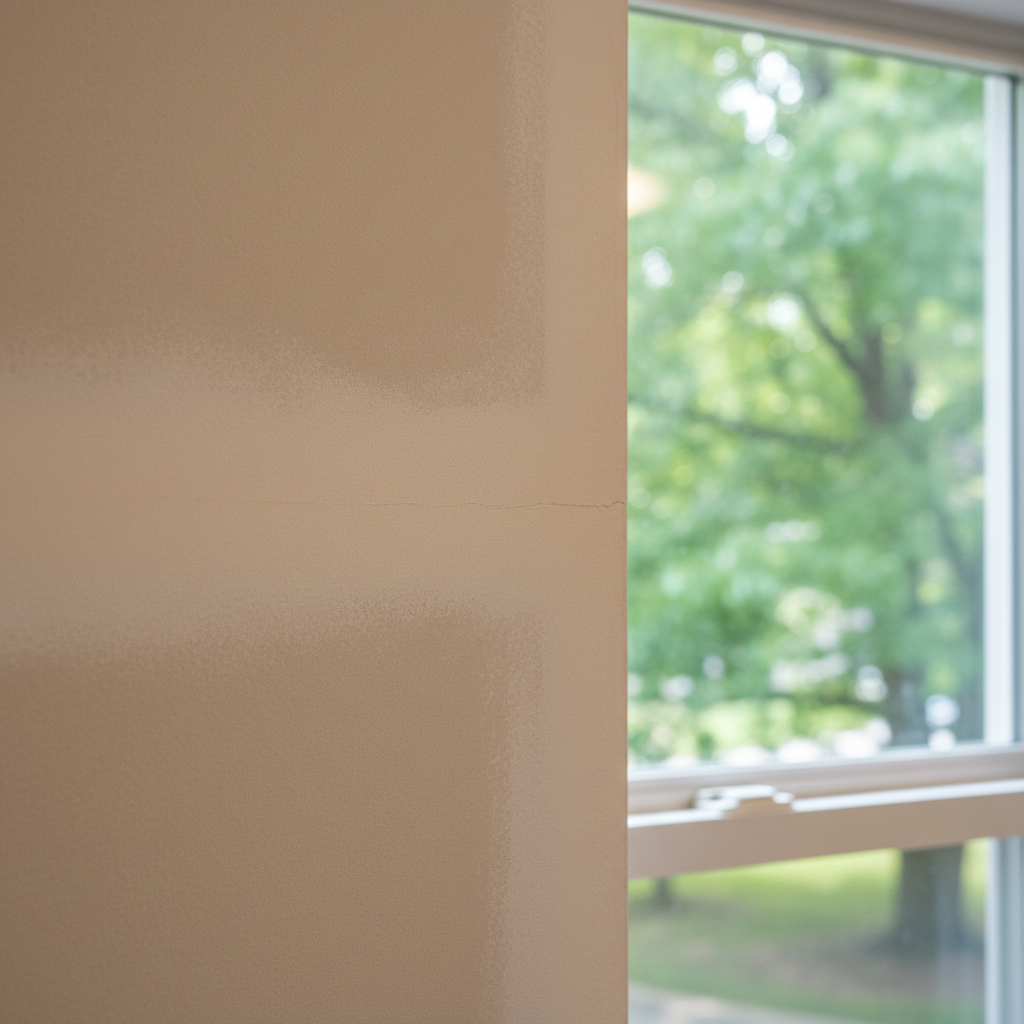
First Things First: Check Out the Damage
So, you've got water where it shouldn't be. Happens to the best of us. Before you do anything else, though, you really need to figure out what kind of water you're dealing with and just how bad things are. This isn't just about drying things out, you know; it's about staying safe and stopping bigger problems from popping up later. I've seen folks try to mop up what they thought was just a small leak, only to find out it was a sewage backup that had contaminated everything. That's a whole different ballgame.
Clean water, like from a burst pipe or an overflowing sink, is the easiest to handle. You can usually take care of a lot of the initial cleanup yourself. Grey water, which is water that's been used but isn't necessarily hazardous (think washing machine overflow or a dishwasher leak), needs a bit more caution. Black water, though – that's the truly dangerous stuff. Sewage, floodwater from outside that's picked up contaminants, or water that's been sitting for a while and started growing mold. If you're looking at black water, stop right there. Don't touch it. You absolutely need professionals for that, no question.
What You Can (and Should) Do Yourself
Alright, assuming you're dealing with clean water and it's not a massive flood, there's plenty you can do to get started. Time is really important with water damage; the faster you act, the less damage you'll have and the lower your chances of mold growth. Mold just loves our humid Alabama climate, especially in older homes around Cloverdale or Capitol Heights that might not be sealed up perfectly.
- Stop the Source: This is the absolute first thing to do. Turn off the water supply to the affected area, or if it's a major leak, turn off the main water valve to your house. You might know where your main shut-off is, but if you don't, go find it now. Seriously, go look.
- Safety First: Before you touch anything, make sure the power is off in the affected area. Water and electricity just don't mix. Flip the breaker.
- Remove Standing Water: Grab the buckets, wet/dry vac, towels, whatever you've got. The more water you get rid of manually, the less work your drying equipment will have to do.
- Move Belongings: Get furniture, rugs, electronics, and anything else off the wet floor and out of the damp area. If you can't move it, put aluminum foil or wood blocks under furniture legs to prevent staining and further damage.
- Increase Airflow: Open windows and doors if the outside humidity isn't too high. Bring in fans – box fans, oscillating fans, whatever you've got. The goal is to get air moving and start that drying process. Dehumidifiers are fantastic if you happen to have one.
When It's Time to Call a Pro
Look, I'm all for saving a buck and doing things yourself, but some jobs are just too big or too risky. Here's when you absolutely should pick up the phone and call Neighborly Restoration, or another reputable company:
- Black Water: As I said, sewage or floodwater from outside is a biohazard. Don't mess with it.
- Large Areas or Deep Water: If you've got more than an inch or two of standing water, or if multiple rooms are affected, you're probably out of your depth. Professional equipment can extract water much faster and more thoroughly than anything you've got.
- Hidden Damage: Water loves to hide. It gets behind baseboards, under cabinets, into wall cavities, and under flooring. If you suspect water has wicked up into your walls or under your subfloor, you need specialized moisture meters and thermal imaging to find it all. Missing hidden moisture is how you end up with serious mold problems down the line.
- Structural Concerns: If floors are buckling, ceilings are sagging, or walls feel soft, you've got structural damage. This isn't a DIY fix; it needs an expert assessment and repair.
- Long-Term Saturation: If the area has been wet for more than 48 hours, even with clean water, the risk of mold growth skyrockets. Professionals can set up containment and use commercial-grade drying equipment to bring moisture levels down quickly and safely.
- Insurance Claim: If you're planning to file an insurance claim, a professional restoration company can help document the damage, work with your adjuster, and make sure everything is handled correctly. We do this all the time.
The Drying Process and Beyond
Whether you're doing it yourself or hiring pros, the drying process is critical. You need to get everything bone dry, not just surface dry. This means running fans and dehumidifiers for several days, sometimes even a week or more, depending on how bad the damage is. Don't rush it. Once everything feels dry, you still need to make sure the moisture levels are back to normal with a moisture meter, especially in materials like drywall and wood. If you don't have one, a professional will.
After drying, you'll need to figure out what needs to be repaired or replaced. Sometimes it's just a bit of paint, other times it's new drywall, flooring, or even structural repairs. Make sure you're replacing like with like, or even upgrading if it makes sense. For instance, if you had old carpet, maybe consider tile in a high-risk area. It's about getting your home back to normal, or even better, and preventing future issues.
Dealing with water damage is a pain, no doubt about it. But knowing what you can tackle and when to call in the cavalry can save you a lot of headache, and money, in the long run. Don't hesitate to reach out if you're unsure. We're here to help folks in Montgomery get back on their feet.