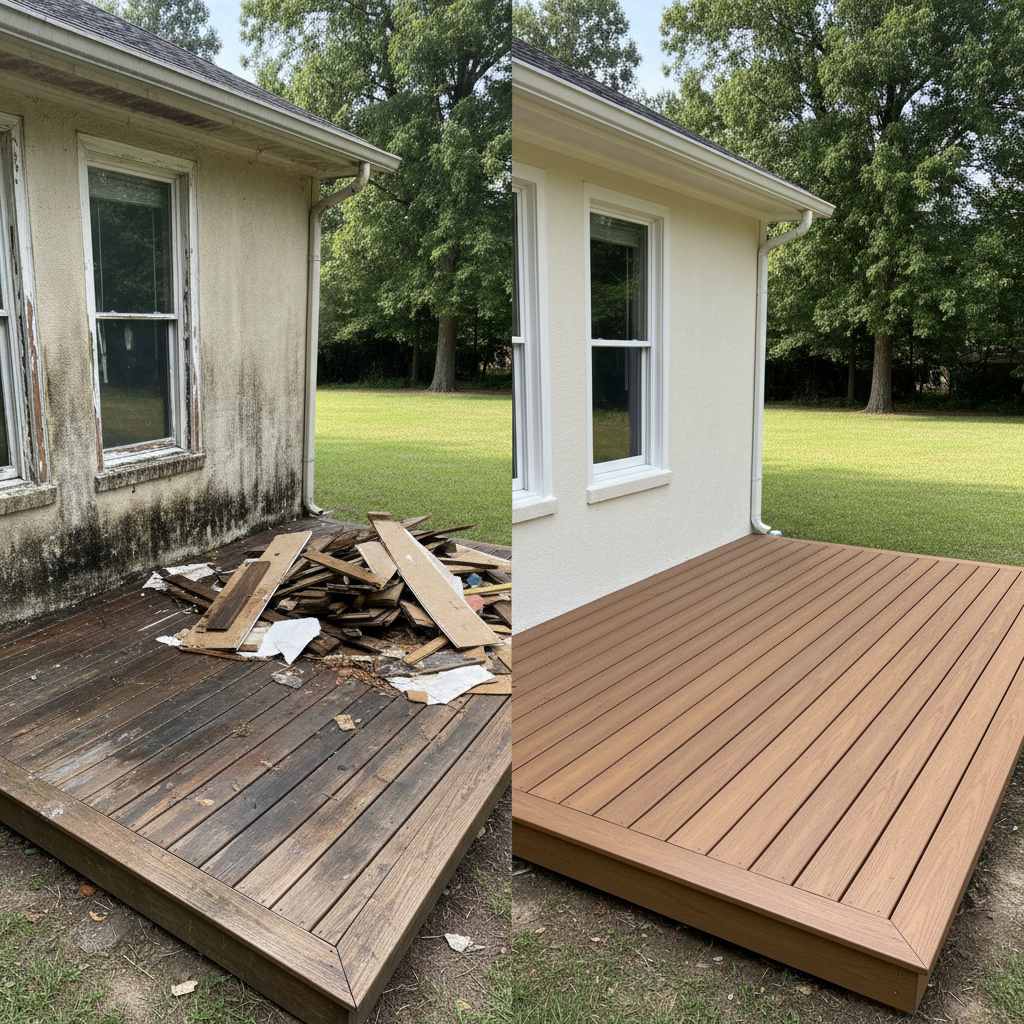
Alright, let's talk about water damage. I'm not talking about a little leaky faucet, but the kind where your washing machine explodes or the storm drain backs up. When you're standing in water, and the immediate crisis has passed, you've got a big decision to make about whatever got soaked: should you try to dry it out and fix it, or just rip it all out and replace it? Folks here in Montgomery ask me that question all the time, and honestly, there's no single "right" answer for every situation.
The 'Repair and Restore' Approach
This is when you bring in the heavy hitters – industrial dehumidifiers, air movers, all sorts of specialized drying gear. We're aiming to save as much of the original structure and materials as we can. Think of it like a hospital for your house; we're trying to nurse things back to health.
Cost
Generally, fixing things up and restoring them costs less than replacing everything. But that's only if you do it right and do it fast. You'll be paying for equipment rental, electricity, and the skilled technicians who know how to set up drying zones and keep an eye on moisture levels. If we can save your hardwood floors or that custom built-in cabinetry, you'll definitely spend less than if you had to buy new.
Durability & Maintenance
If materials get dried and disinfected correctly, they can often go right back to how durable they were before. The key word there, though, is 'correctly.' If you leave any moisture behind, or if the material was too far gone in the first place, you're just asking for mold, rot, and problems down the road. Just think how humid it gets here in Montgomery during the summer – any lingering dampness is basically a dream come true for a mold colony. Maintenance after a good dry-out shouldn't be any different than before the damage, assuming the material wasn't already compromised.
Appearance
Here's where it gets a little tricky. Sometimes, even after a perfect dry-out, things might not look exactly the same. Hardwood floors can cup or warp just a bit, drywall might get a little wavy, and paint can bubble. If the water was dirty (like from a sewage backup), staining can be a real headache. We do our absolute best, but sometimes there are subtle signs that something got wet. If you're a perfectionist, that might bother you.
The 'Rip it Out and Replace' Approach
This is the more aggressive route. We're talking demolition, pure and simple. Drywall comes down, insulation gets pulled, flooring gets torn up. The whole idea here is to get rid of all the affected materials and put in new ones.
Cost
Almost always more expensive up front. You're paying for demolition labor, getting rid of all that debris, and then the cost of all new materials and their installation. If you're replacing custom tile work or high-end finishes, those costs can really pile up fast. However, sometimes it's the only way to make sure you don't have long-term issues, which can actually save you money later on.
Durability & Maintenance
When you replace materials, you're basically hitting the reset button. New drywall, new insulation, new flooring – it's all back to square one. That generally means you're getting maximum durability, assuming the installation is good. Maintenance will be exactly what you'd expect for brand new stuff.
Appearance
This is where replacement really shines. Everything looks brand new. No lingering stains, no subtle warping, no "what if" nagging at the back of your mind. If you want a flawless finish, replacement is usually the way to go.
So, Which One Should You Choose?
Here's my take, based on years of seeing what works and what doesn't in homes all over Montgomery, from the Garden District to Pike Road:
- Think about the type of water. Clean water (like from a burst pipe) gives you a much better shot at successful drying and repair than gray water (like an overflowing washing machine) or black water (sewage backup). With black water, replacement is almost always the only safe choice because of health risks.
- Consider the material. Solid wood often dries out just fine. Laminate flooring? Not so much – it tends to swell and delaminate. Drywall that's been soaked for more than a day or two is usually a goner, especially if it's got paper backing, which, by the way, is mold's favorite food. Insulation, once it gets wet, loses its R-value and needs to go.
- Think about how long it was wet. A quick flood that drains and dries within hours is totally different from water sitting for days. The longer it's wet, the higher the chance of irreversible damage and mold growth, which pushes you toward replacement.
- Consider your budget and expectations. If money is really tight, and the damage isn't severe, repair might be your only option. But if you want total peace of mind and a "like new" finish, and your insurance covers it, replacement often makes more sense.
Honestly, you need an expert to check things out. Someone who can use moisture meters, thermal cameras, and their own experience to tell you what's truly salvageable and what's not. Don't try to guess, okay? You risk mold, structural issues, and bigger bills later on. That's why folks call us at Neighborly Restoration. We'll give you an honest assessment and lay out your options clearly, so you can make the best decision for your home and your wallet. We've seen it all, and we're here to help you get your place back to normal, or even better.