My washing machine overflowed, or a pipe burst. What's the very first thing I should do?
Okay, first things first: safety. If you've got standing water, especially near outlets or appliances, kill the power to that area if you can do it safely. Find your main breaker and flip it. Next, stop the water source. If it's a burst pipe, find the main water shut-off valve for your house and turn it off. It's usually near your water meter or where the main line comes into your house. If it's an appliance like a washing machine or dishwasher, turn off its dedicated water supply valves behind it. Once the water's stopped and the power's off, you can start thinking about cleanup. Don't waste time; water spreads fast and starts causing more damage the longer it sits.
Do I really need a professional for water damage, or can I just dry it out myself with fans?
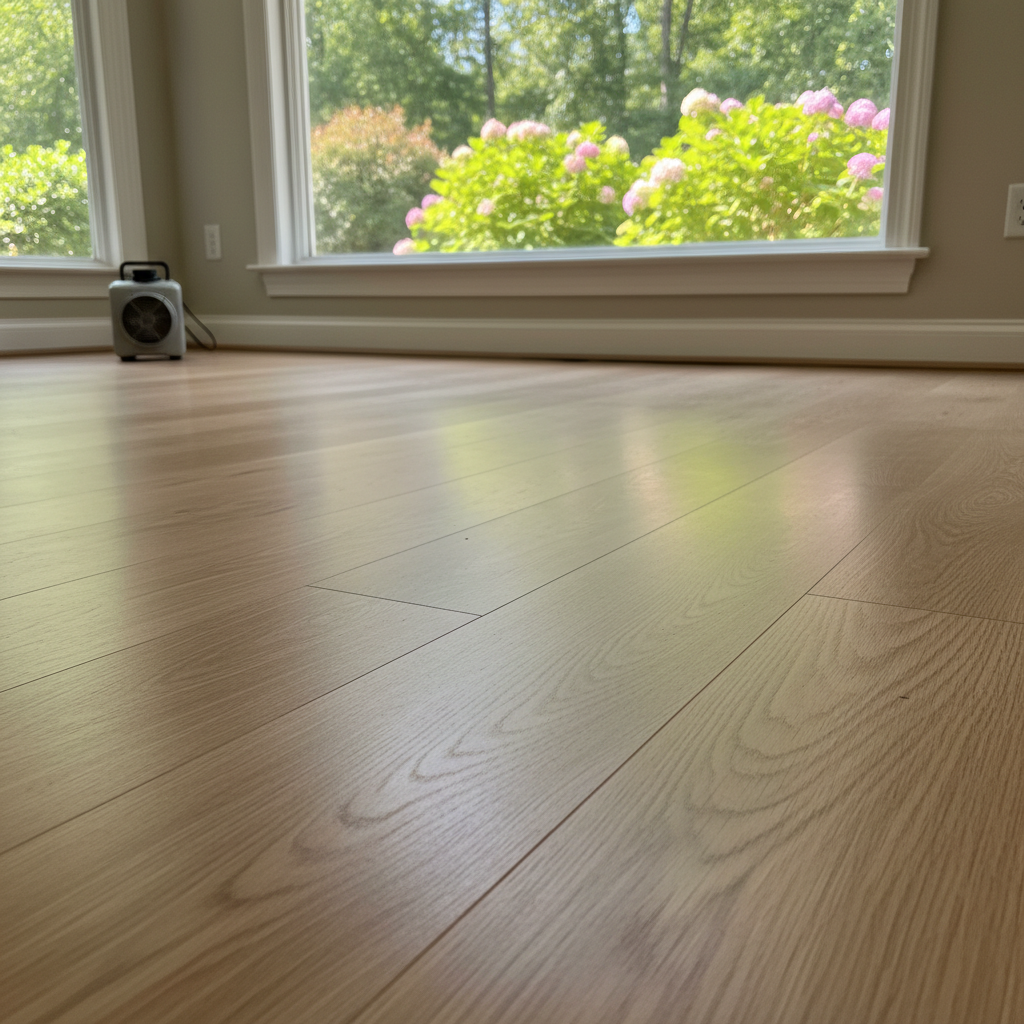
Look, I get it. Nobody wants to call in a pro unless they absolutely have to. For a small spill, like knocking over a glass of water, sure, grab some towels and a fan. But if we're talking about anything more than a few square feet, or if the water has soaked into drywall, carpet padding, or got under your flooring, you're probably going to need professional help. The big danger isn't just the wetness you see, it's the moisture you *don't* see. Water wicks up walls, gets into subflooring, and creates perfect conditions for mold growth within 24-48 hours. We use specialized equipment – industrial-grade dehumidifiers, air movers, and moisture meters – to dry out materials thoroughly and prevent secondary damage like mold. You can't just 'fan it out' effectively when the moisture is deep inside building materials. It's a common mistake I see folks make, and it often leads to bigger, more expensive problems down the road.
How quickly does mold start growing after water damage?
This is a critical one. Mold can start to grow in as little as 24 to 48 hours after water damage occurs, given the right conditions. It loves dark, damp places, and our humid Montgomery climate certainly doesn't help. That's why acting fast is so important. The longer moisture sits, the higher the risk of mold. Once it starts, it can spread quickly, causing health issues for some people and further damaging your home's structure. Getting things professionally dried within that 24-48 hour window is your best defense against a mold problem.
Will my homeowner's insurance cover water damage cleanup?
This is where it gets a little tricky, and the answer is: it depends on what caused the water damage. Most standard homeowner's policies cover sudden and accidental water damage, like a burst pipe, an overflowing appliance, or a storm causing a leak in your roof. What they generally *don't* cover is damage from neglect or maintenance issues, like a slow leak that's been going on for months, or flooding from outside the home (that's usually a separate flood insurance policy). It's always best to call your insurance provider as soon as the damage occurs. They'll tell you what's covered and what your next steps should be for filing a claim. We at Neighborly Restoration work with all insurance companies and can help you navigate that process.
What's the difference between 'drying' and 'restoration,' and which do I need?
Good question, and people often mix these up. 'Drying' or 'mitigation' is the immediate process of removing the water, drying out the affected areas, and preventing further damage like mold. This involves things like water extraction, setting up dehumidifiers and air movers, and monitoring moisture levels. It's about stopping the problem in its tracks. 'Restoration' or 'reconstruction' comes after the drying is complete. This is when we repair or replace anything that was permanently damaged. This could be replacing drywall, laying new flooring, repainting, or even rebuilding parts of your home if the damage was severe. Think of it this way: drying stops the bleeding, restoration fixes the wound. You almost always need drying first, and then depending on the extent of the damage, you'll need restoration work too. We handle both, so you don't have to call multiple companies.
My house smells musty after the water damage. What does that mean?
A musty smell is almost always a red flag. It's a strong indicator that mold or mildew is present, even if you can't see it yet. That smell is from the volatile organic compounds (VOCs) that mold releases as it grows. If you're smelling it, it means there's an active mold colony somewhere, likely in a hidden spot like behind drywall, under flooring, or in your HVAC system. Don't ignore that smell. It's not just unpleasant; it can be a health concern for some people, especially those with allergies or respiratory issues. If you've got that musty odor, you need to get it checked out by a professional who can locate the source and address the mold properly. Just masking the smell won't solve the underlying problem.
How long does the water damage cleanup process usually take?
That's like asking how long a piece of string is, but I can give you a general idea. For a relatively contained incident, like a small bathroom leak, the drying process might take 3-5 days. For larger areas, or if the water has saturated structural components like subflooring or multiple walls, it could be 7-10 days, sometimes even longer. This is just the drying part. The restoration phase, where we actually repair and rebuild, varies wildly depending on the extent of the damage. Replacing a few sheets of drywall and some baseboards is a lot quicker than replacing an entire kitchen floor and cabinets. We'll give you a more accurate timeline once we've assessed the specific situation in your home. Our goal at Neighborly Restoration is always to get your home back to normal as quickly and efficiently as possible, without cutting corners that could lead to future problems.